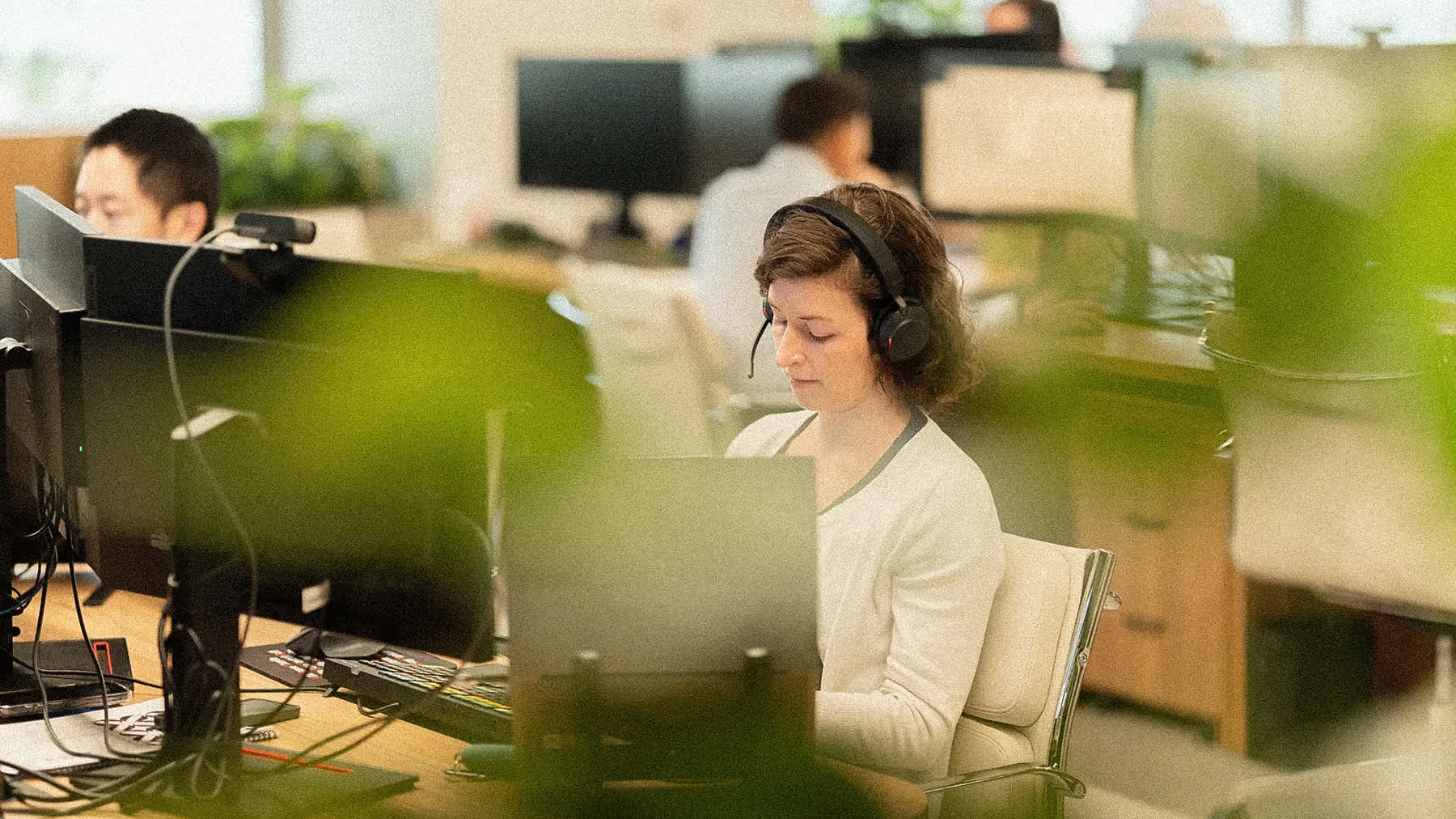
Networking event photography in Miami has one job that is harder than it looks: capturing genuine connection. A mixer, a launch party, or a member night is not a stage show with a clear focal point. It is a room full of small conversations, and the value lives in those moments. The photos that matter are people mid-laugh, mid-handshake, mid-introduction, not a wall of stiff posed groups holding drinks.
This post covers what to shoot at a networking event, how to capture real connection without freezing it, why sponsor signage deserves attention, and how fast social turnaround keeps the energy going after the room clears.
What to capture at a networking event
A networking gallery should reflect the actual purpose of the night, which is people meeting people. A useful set covers a few distinct layers.
- Connection moments. Two or three people in real conversation, laughing, introducing each other. This is the core.
- The room. Wide shots that show the crowd, the energy, and how full the space felt.
- Hosts and speakers. Any remarks, toasts, or short presentations.
- Sponsor and brand presence. Signage, branded bars, step-and-repeats, and activations.
- Details. The setting, the catering, the touches that made the event feel intentional.
The mix matters. A gallery that is all wide crowd shots feels empty. One that is all posed groups feels staged. The strongest set moves between them, so it communicates both scale and intimacy.
Capturing connection without killing it
The challenge of networking photography is that the moment you point a camera at a conversation, the conversation often stops. People turn, smile at the lens, and the real thing you were trying to capture evaporates.
The skill is in working quietly. A good event photographer anticipates where a genuine moment is forming, frames it, and captures it before anyone adjusts. They move through the room reading body language, not hunting for poses. The result is a gallery that looks like the night actually felt.
There is still room for a few intentional shots, a clean photo of the host, a group of partners who want to be photographed together, but the backbone of the gallery should be unguarded. You can see how we approach this kind of coverage on our event coverage page.
Why sponsor signage matters
If sponsors or partners helped fund the event, their visibility is part of what you owe them, and photographs are the proof. A sponsor wants to see their logo in the room, in front of an engaged crowd, in images they can reuse.
That means signage cannot be an afterthought in the gallery. Deliberate coverage of branded bars, step-and-repeats, sponsor activations, and logo placement gives partners something concrete to take home. It also strengthens your case when you go back to renew their support next time. Brief the photographer on which sponsors matter most so the coverage is intentional rather than accidental.
Fast social turnaround
Networking events live on momentum. The connections made in the room are warm for a day or two, then cool. A gallery that arrives a week later is still useful for records, but it misses the window where it could fuel real engagement.
A fast turnaround changes that. A small selection of edited images delivered the next morning lets you post while the night is fresh, tag attendees, and give guests something to share. That sharing extends your reach and reminds people of the connections they made. The full gallery can follow, but the quick-turn highlights do the heavy lifting for engagement.
A few things make fast turnaround possible:
- A clear shot list. Knowing the must-have moments in advance speeds editing.
- Defined priorities. Agreeing which images you need first.
- Realistic scope. A tight selection for next-day delivery, the full set after.
What drives the cost
Networking event coverage is quoted per event rather than at a flat rate, because the right number depends on the night you are planning. The main factors:
- Coverage hours. A two-hour mixer versus a long launch party.
- Turnaround speed. Next-morning social highlights add an editing pass on a tight clock.
- Number of edited images. A curated set versus full coverage.
- Sponsor requirements. Dedicated signage and activation coverage adds shots to plan.
- Second shooter. Larger events sometimes need two photographers to cover the room.
Naming your priorities up front, social speed, sponsor proof, or full documentation, helps shape a quote around what you actually need.
Frequently asked questions
How do you photograph connection without making it awkward?
By working quietly and anticipating moments rather than posing them. A skilled event photographer reads the room and captures real conversations before people notice the camera, so the gallery looks like the night actually felt.
Can I get photos the next morning?
Yes, with fast turnaround planned in advance. A curated set of edited highlights can be delivered the next day so you post while attention is high, with the full gallery to follow.
How important is sponsor signage in the photos?
Very, if sponsors funded the event. Deliberate coverage of their signage and activations gives partners reusable proof of visibility and strengthens your case to renew their support.
Do I need a second photographer for a networking event?
For a busy launch or a large member night, a second shooter helps cover the room so no key moment is missed. For a smaller mixer, one photographer is usually enough.
If you are planning a mixer, launch, or member night and want coverage that captures real connection, reach out through our event photography page and we will build a plan around your event.
Looking for professional headshots in miami? See packages and book your session.