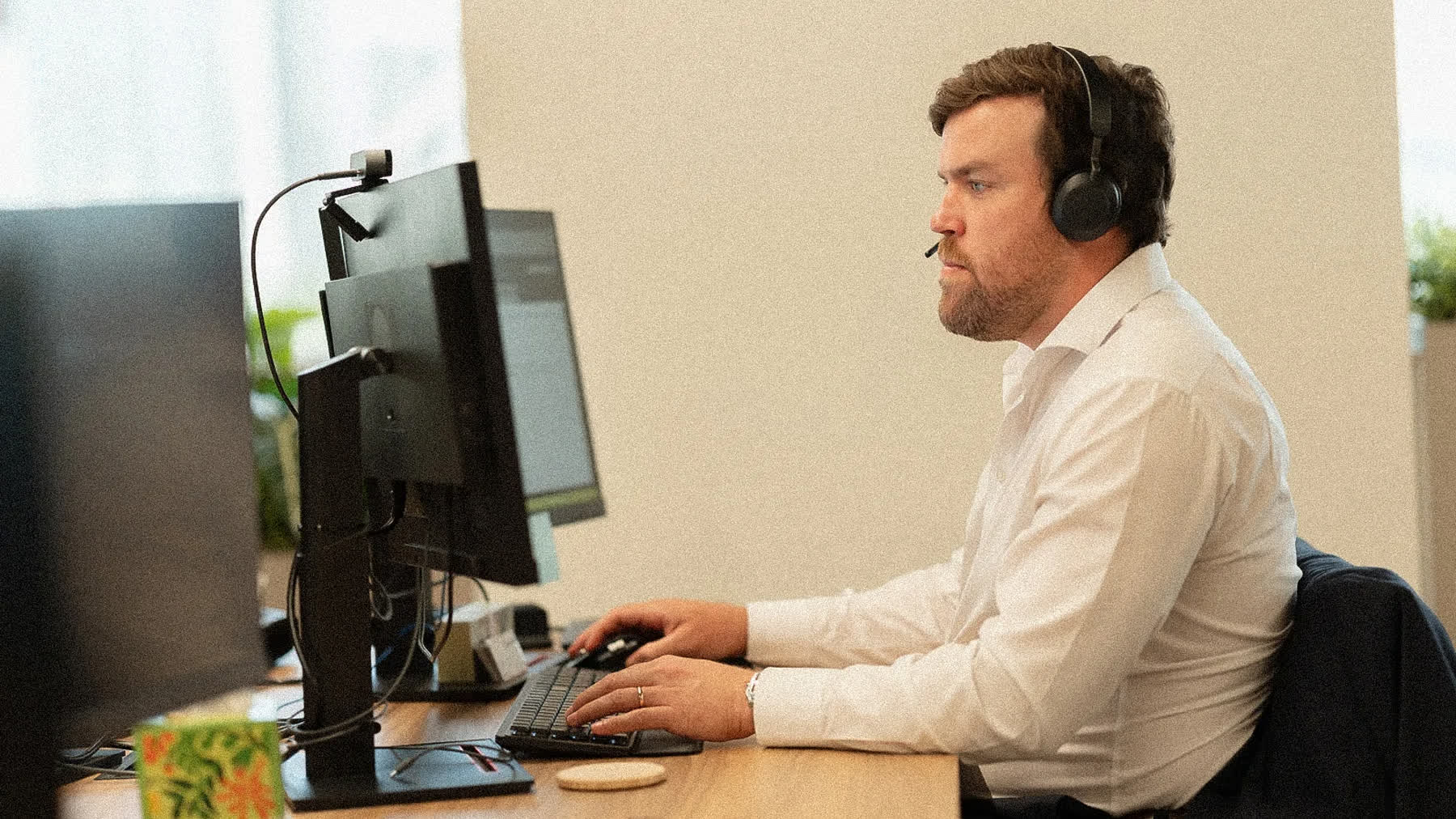

Hiring a corporate event photographer in Miami should feel like hiring a quiet professional who already understands the room. The right person does more than show up with a camera. They read the agenda, anticipate the moments that matter, and hand back a gallery your team can actually use.
Most of the friction happens before the shoot. A vague brief, an unclear coverage window, or a fuzzy idea of deliverables leads to galleries that miss the point. This guide walks through how to scope the work, what to ask, and how to think about budget without guessing.
Miami adds its own variables. Events here run across Downtown ballrooms, Brickell rooftops, Miami Beach hotels, Doral conference space, and the convention center. Light, scale, and logistics change with each one, so the brief matters even more.
Start with a brief, not a date
The first thing to send a photographer is not the date. It is the brief. A good brief answers three questions: what is this event, who is it for, and how will the photos be used.
Use is the part most people skip. A recap video, a sponsor report, and next year's marketing site all need different images. When you name the use up front, the photographer shoots toward it instead of guessing.
A useful brief includes:
- Event type, audience size, and the goal of the day
- A rough run of show with the moments you cannot miss
- Where images will live: website, social, press, sponsor decks, internal recaps
- Any VIPs, speakers, or sponsors who need dedicated coverage
- Brand notes: logos, signage, and any people who should not be photographed
You do not need a polished document. Bullet points in an email work. The point is to give the photographer enough to plan around.
Scope coverage hours honestly
Coverage hours are the single biggest driver of both quality and cost. Underbook and you lose the setup details or the late-night candids. Overbook and you pay for empty rooms.
Walk through the day in order. Setup and an empty, branded room. Registration and arrivals. The keynote or main program. Breakouts or sessions. Networking and meals. Awards or the reception. Teardown if it matters. Mark which blocks need coverage and which do not.
If your event runs long or spans multiple rooms at once, ask about a second shooter. One photographer cannot cover a keynote stage and a packed expo floor at the same time.
Define deliverables and turnaround before you book
Two events can have identical coverage and produce very different results, because the deliverables were never defined. Settle these details in writing.
Final gallery
Agree on roughly how many edited images you will receive, how they are delivered, and in what formats. Ask for both full-resolution files for print and web-sized versions for fast posting. Confirm usage rights so your marketing and PR teams can publish freely.
Turnaround
Turnaround shapes the value of the gallery. Same-day or next-day selects let your social team post while the event is still relevant. A full edited gallery usually follows within a week or two. If you have a press deadline, say so before the event, not after.
Some studios shoot photo and video on the same day. If you want a recap video alongside stills, ask early so the schedule supports both. Corporate video planned in advance is far smoother than video bolted on at the last minute.
Questions to ask a photographer
A short conversation tells you most of what you need to know. Ask these:
- Have you shot events of this size and type in Miami before?
- Can I see a full gallery from a similar event, not just highlights?
- How do you handle low light, mixed lighting, and stage lighting?
- What is your turnaround, and can you deliver same-day selects?
- Do you bring backup gear and a second shooter when needed?
- How do you stay unobtrusive during programming?
Look at full galleries rather than a curated highlight reel. A highlight reel shows the best ten frames. A full gallery shows whether the photographer is consistent across a long, demanding day. You can see more of that range on the portfolio.
Budgeting without guessing
There is no single price for event coverage in Miami, because the work scales with the job. A two-hour ribbon cutting and a multi-day conference with a second shooter are not the same line item.
The main cost drivers are predictable:
- Total coverage hours
- Whether a second shooter is needed
- Volume of edited images and delivery format
- Turnaround speed, especially same-day selects
- Add-ons like video, a headshot station, or printed deliverables
A short single-photographer shoot sits at the lower end. A full-day, multi-room event with fast turnaround and video sits higher. The quote follows the brief, which is one more reason to scope the day before asking for a number.
Frequently asked questions
How far in advance should I book a corporate event photographer in Miami?
Aim for three to six weeks for most corporate events, and earlier during busy conference season. Popular dates and large multi-day events fill quickly, so confirm as soon as your date is set.
Do I need a second photographer for my event?
You likely do if your event runs across multiple rooms at once, has a large guest count, or has overlapping programming. One photographer cannot cover a main stage and a breakout session at the same time.
Can I get photos the same day?
Yes, many studios offer same-day or next-day selects so your social and PR teams can post while the event is current. Confirm this before booking and flag any press deadlines in advance.
Should I hire one studio for photo and video?
Booking photo and video on the same shoot day keeps coverage consistent and simplifies logistics. It also means one team is reading the run of show, which usually produces a tighter result.
When you are ready to scope your event, share a short brief and a date, and we can walk through coverage, deliverables, and turnaround together. Start on the event photography page and tell us what your day looks like.
Looking for corporate headshots in miami? See packages and book your session.