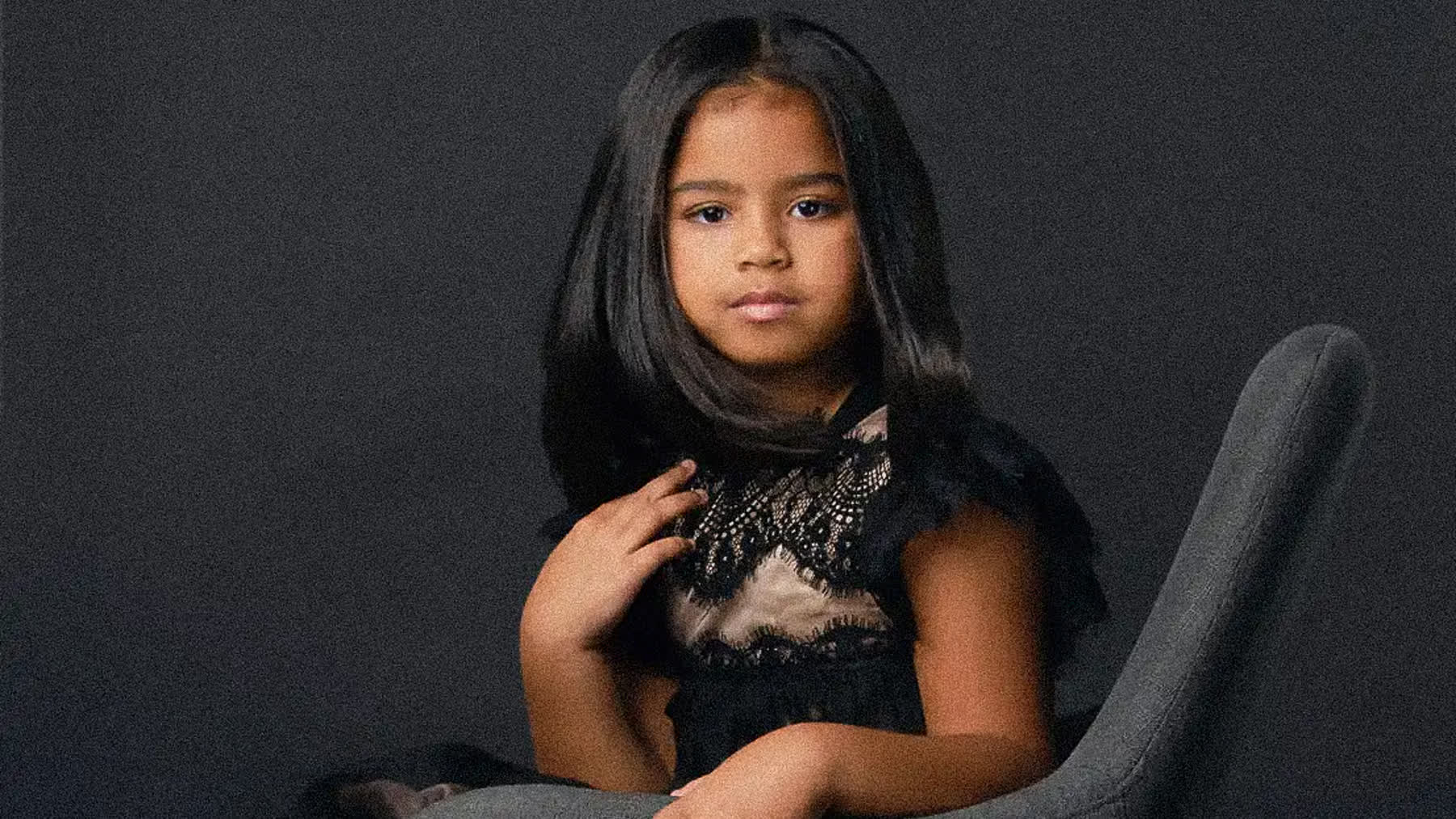
A model portfolio Miami session exists to do one thing well: show you honestly, with enough range that the people reviewing you can picture how you would work. Whether you are starting out or refreshing an older book, the images need to be clean, accurate, and varied enough to demonstrate what you bring to a frame. That is the job, and it is more about clarity than polish.
Before going further, it helps to be direct about scope. 22PORTRAITS is a portrait and brand-led studio in Downtown Miami. We photograph people well. We are not a talent agency, and we do not handle representation, bookings, or placement. What we provide is the photography part: a strong, honest set of images you can use for submissions and your own materials. Where those images go is up to you and the agencies or clients you approach.
This guide covers what a session like this actually includes.
What a portfolio session covers
A portfolio, comp card, and digitals session is built around showing range and giving an accurate read of how you look. In practice, a session usually includes a few core elements.
- Clean portrait frames that show your face clearly from a few angles
- Digitals, sometimes called polaroids, which are simple, honest images with minimal styling
- A small set of looks that show variety in expression, wardrobe, and energy
- Both closer and wider framing so reviewers can read your face and your proportions
- A selection process to choose the strongest images for your book or card
The aim is not a single hero shot. It is a coherent set that holds together and shows you from more than one angle.
Why digitals matter as much as the polished frames
People new to this often expect a portfolio to be all heavily styled images. In reality, the plain digitals carry a lot of weight. Agencies and clients use them to see you as you actually are, without retouching or dramatic lighting hiding anything.
Good digitals are simple: even light, neutral background, natural posture, minimal makeup, hair as it usually sits. They are not meant to flatter so much as to inform. A strong book pairs these with a few more crafted frames so reviewers get both the honest baseline and a sense of what you can do.
Building range across looks
Range is the difference between a portfolio that gets a second look and one that does not. Range does not mean costumes. It means showing that you can shift expression, energy, and presence while still reading as the same person.
A useful spread might include a warm, open expression, a more neutral and editorial look, something relaxed and natural, and one with a bit more intensity. Wardrobe changes can support this with simple, clean pieces in different tones. The point is to let the reviewer imagine you across the kinds of work they cast for, without forcing a story that is not yours.
Bringing a few wardrobe options helps here. Solid colors and clean lines photograph well and keep the focus on you.
How this differs from acting headshots
It is worth separating this from acting work, because the two get confused. An acting headshot is usually a single, character-neutral image of your face, built to read clearly in a casting database. It is focused and specific.
A model portfolio is broader. It shows your face, yes, but also proportion, range, and how you carry yourself. The framing is wider, the look set is larger, and digitals play a central role. If you need a focused acting image, that is a different brief. If you need a varied book and comp card for modeling submissions, that is this. Knowing which you need before booking saves time and gets you the right images.
Clean, honest images for submissions
The thread running through all of this is honesty. The most useful portfolio is one that looks like you on a normal day, lit well and framed thoughtfully. Over-retouched images can actually hurt you, because a reviewer who meets you should recognize the person from the photos.
That means natural skin, real proportions, and expressions that feel like yours. We keep retouching light and true to life. The goal is images that hold up in person, not ones that set up a surprise. You can get a feel for the studio's approach to clean, accurate work in the portfolio.
What drives the scope and cost
A portfolio session can be small or large, and the cost follows the scope. The main drivers are how many looks you want, how many final images you need, whether you want both digitals and styled frames, retouching depth, and turnaround. Someone refreshing a few key images has a different brief than someone building a full first book.
Rather than fit you into a fixed package, it is better to talk through what you are submitting for and build a quote around it.
Frequently asked questions
Do you help with agency placement or representation?
No. We are a portrait and brand-led studio, not a talent agency. We provide the photography for your portfolio and comp card. Representation, bookings, and placement are handled by you and the agencies you approach.
What is the difference between digitals and portfolio images?
Digitals are simple, honest images with minimal styling, meant to show you as you actually are. Portfolio images are more crafted and show range. A strong book usually includes both.
How many looks should a first portfolio have?
A handful is usually enough to start. The goal is to show genuine range across expression and energy, not to pile up dozens of similar frames.
Is this the same as an acting headshot session?
No. An acting headshot is a single focused image of your face for casting. A model portfolio is broader, with wider framing, more looks, and digitals at its center.
Ready when you are
A clear, honest portfolio gives you something solid to submit and build on. Tell us what you are submitting for and how many looks you want, and we will put together a quote that fits the book you actually need.
Looking for professional headshots in miami? See packages and book your session.