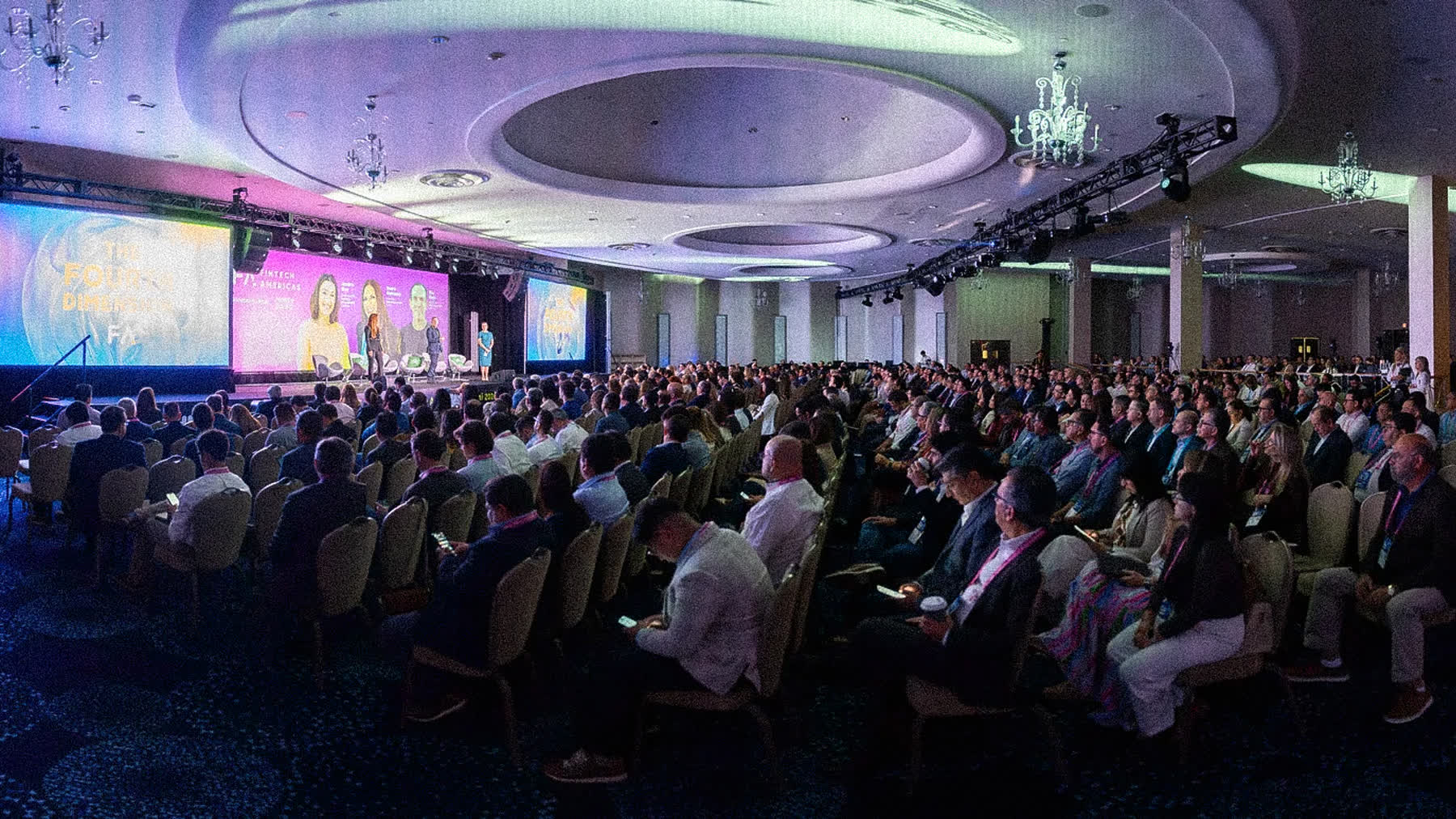

An event video in Miami does something a deck of photos cannot. It carries motion, sound, and pacing, so the person watching feels the room rather than just sees it. A still gallery proves the event happened. A highlight reel makes someone wish they had been there. For a conference, a launch, or an annual gathering, that difference is the whole point of filming at all.
This post walks through what an event video actually produces, why same-day social cuts matter, how video adds real value for sponsors, and why filming alongside a photographer at one event is usually the smarter way to spend.
What an event video is for
Before you commission anything, it helps to name the job you want the footage to do. Most event video falls into a few distinct purposes, and each one shapes how the day is shot.
- The highlight reel. A short, energetic recap that captures scale, speakers, and the feel of the room. This is your most reused asset.
- The sizzle reel. A promotional piece, often cut for next year's marketing, built to sell the event before it sells the tickets.
- Speaker and session capture. Full talks recorded cleanly for on-demand viewing or internal libraries.
- Testimonial and reaction clips. Short interviews with attendees, partners, or leadership, captured live while the energy is high.
- Sponsor features. Branded moments that give partners something tangible to take home.
Naming the purpose first keeps the shoot focused. A team filming a highlight reel moves differently than one capturing full sessions, and trying to do everything without a plan usually does none of it well.
The case for same-day social cuts
The clearest reason to film an event is momentum. Attention around an event peaks while it is happening and fades fast afterward. A polished recap that lands three weeks later is still useful, but it arrives after the conversation has moved on.
A same-day social cut solves that. A short vertical clip, edited on site and posted while people are still in the room, lets attendees share, tag, and amplify in real time. It turns your audience into distribution. For multi-day events, a cut at the end of day one builds anticipation for day two.
Same-day cuts do not replace the full highlight reel. They buy you reach now, while the longer piece does the heavier storytelling later. You can plan both around the same coverage, which is where pairing photo and video starts to pay off.
Why sponsors care about video
Sponsors fund events to be seen, and video gives them proof of that visibility in a form they can reuse. A photo of a logo on a banner is fine. A clip of an engaged crowd in front of that banner, with energy and motion, is something a sponsor can put in their own recap or report.
When you sell sponsorship, a video deliverable is a tangible benefit you can name in the package. Branded sizzle moments, logo placement in the highlight reel, and short features of sponsor activations all give partners a reason to renew. The footage outlives the event and keeps working in their channels and yours.
Pairing photo and video at one event
Here is the practical part most planners discover the hard way. Photo and video are different jobs, and trying to make one camera do both compromises both. A photographer freezes the decisive moment. A videographer needs to hold a shot, follow movement, and capture clean audio. The instincts pull in different directions.
The efficient answer is not to choose. It is to plan coverage so a photographer and a videographer work the same room without colliding. You get the still gallery for the recap deck, press, and sponsor reports, plus the motion footage for highlight reels and social. One event, one planning conversation, two complete sets of deliverables. You can talk through that on our corporate video page, and the same logic carries over to broader event coverage.
When both are planned together, the team can stage key moments once and capture them in both formats, rather than asking a speaker or sponsor to repeat themselves.
What drives the cost of event video
Event video pricing moves with the same dials as any production. We do not list fixed prices because the right number depends on the day you are planning, but these are the factors that move it:
- Coverage hours. A keynote is shorter to film than a full conference day.
- Crew size. One operator versus a multi-camera team with audio support.
- Same-day delivery. On-site editing for live social cuts adds an editor to the day.
- Number of deliverables. A single highlight reel costs less than a reel plus social cuts plus session recordings.
- Speaker and audio capture. Clean session audio adds gear and setup.
The most efficient event video plans capture once and cut several pieces from that footage, the same way a single shoot day stretches across multiple finished videos.
Frequently asked questions
What is the difference between a highlight reel and a sizzle reel?
A highlight reel recaps an event that happened, built to share with attendees and stakeholders afterward. A sizzle reel is promotional, usually cut to sell the next event. They often use overlapping footage but serve different goals.
Can you really edit and post a video the same day?
Yes, with an editor on site. A short vertical social cut can be turned around during or right after the event so it posts while attention is still high. The full highlight reel is delivered later with more polish.
Should I hire separate people for photo and video?
For most events, yes. Photo and video are different crafts that ask for different camera work. Planning both together at one event gives you complete still and motion coverage without one compromising the other.
How far in advance should I book event video?
As early as you can confirm the date. Booking ahead gives time to plan coverage, align with your photographer, and design any same-day delivery into the shoot rather than improvising on the day.
If you are planning an event and want video that keeps working long after the doors close, reach out through our corporate video page and we will build a coverage plan around what you actually need.
Looking for professional headshots in miami? See packages and book your session.