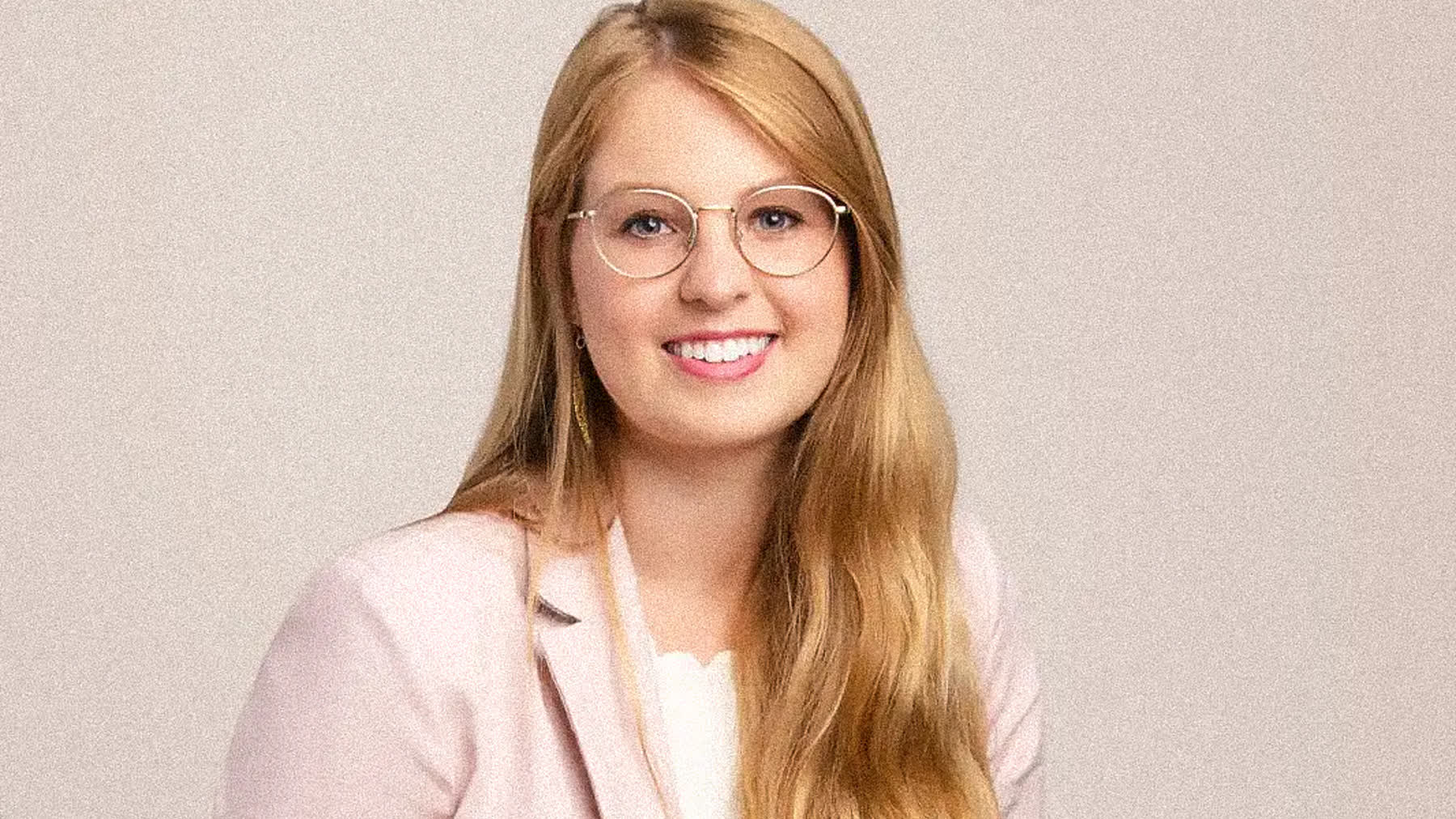
Before an audience hears a word you say, they have already seen your face in the conference program. For speaker headshots in Miami, that early impression has a job: signal that you are worth an hour of a room's attention. The photo sets the expectation, and a strong talk should clear it.
Speaker portraits sit in a particular spot. They need authority, because you are the one on stage with the microphone, and approachability, because nobody wants to listen to someone who looks unreachable. They also need to be practical, since event teams will crop and place your image in formats you do not control.
This guide covers how to balance those demands, the crops you actually need, and why a current photo that matches how you look on stage matters more than a flattering old one.
Authority and approachability together
A keynote headshot fails when it leans too far one way. Too much authority and you look severe, like the talk will be a lecture. Too much warmth and you look like you are not sure you belong on the stage. The strong version holds both.
That balance comes from a coached expression more than from gear:
- Eyes engaged and direct, so you look present and confident.
- Shoulders settled and open, so you look comfortable being seen.
- A small, genuine amount of warmth, so the audience expects a person, not a podium.
The read you want is someone who is calm because they have done this before and glad to be in the room. That is the same energy a good speaker brings on stage, so the photo should match it.
The crops you actually need
This is where most speakers get caught short. They have one square headshot, and the event needs three different shapes.
Event teams place your photo in a lot of formats:
- Vertical for program pages and printed agendas
- Horizontal for event pages, banners, and slides
- Tight square for social cards and speaker grids
- Wider environmental frames for press and feature articles
We shoot with these in mind so you leave with images that work vertical and horizontal, tight and a little wider. When a program designer asks for a landscape crop the night before the event, you want to already have one rather than scrambling with a photo that only works as a square.
A photo that matches how you look on stage
Here is the rule speakers break most: the headshot has to look like the person who will actually walk out under the lights.
If your photo is five years and a different haircut old, the audience does a small double-take when you appear, and that tiny gap costs you a moment of credibility. The same goes for a heavily edited image. When the real you looks notably different from the printed you, attention drifts to the difference instead of the message.
A current, honest portrait closes that gap. The audience sees the program, then sees you, and the two match. That continuity is quietly powerful, and it is the easiest part to get right.
Wardrobe for a speaker portrait
Wardrobe should match the stage you speak on. A startup conference and a corporate summit call for different looks, so think about where these images will run.
A few guidelines:
- Solid colors photograph cleanly and keep attention on your face.
- Avoid busy patterns, which can flicker or distract in print and on screens.
- Bring two options so you have range, for example a sharper look and a more relaxed one.
- Get the fit right. A jacket that pulls at the button is the most common avoidable problem.
The goal is not to look styled for a shoot. The goal is to look like the most composed version of the person who is about to take the stage.
Where we shoot
Our studio is in Downtown Miami. We can photograph you in-studio with clean, controlled lighting for crisp program and one-sheet images, or work on-location for environmental frames that give press and feature pages more context. Many speakers do both in one session: clean studio crops plus a couple of wider shots.
For a focused set you can use everywhere, a session for professional headshots gives you the core images for your one-sheet and event listings. You can see a range of recent work in the portfolio.
Retouching stays natural. We even skin tone and remove temporary distractions, but we keep you looking like the person who walks on stage, because that match is the whole point.
Frequently asked questions
What headshot do I need for a conference program?
You usually need a clean, current portrait that crops well both vertically and horizontally. Event teams place images in different shapes, so leaving with multiple crops saves you a scramble later.
How do I look authoritative but still approachable?
It comes down to a coached expression: direct, engaged eyes, settled shoulders, and a small amount of genuine warmth. We work on that with you so you look confident and glad to be there at the same time.
Should my speaker photo match my current look?
Yes. The audience sees your photo in the program and then sees you on stage, so the two should match. A current, lightly retouched portrait keeps that continuity and protects your credibility.
Can I get both vertical and horizontal images?
Yes. We shoot with program pages, event banners, social cards, and press features in mind, so you leave with crops that work in vertical, horizontal, and square formats.
Ready for your next stage
A current, well-crafted portrait is one of the simplest ways to make sure the program does your talk justice. Whether you need clean one-sheet images or a wider set for press, we will shoot for the formats events actually use. Reach out for a quote and we will plan the session around your speaking calendar.
Looking for professional headshots in miami? See packages and book your session.