How many headshots do you need is one of the first questions people ask before a session, and the honest answer is usually fewer than they expect. For most individuals, one strong primary image carries the majority of the work. The reason to capture more is not vanity. It is usage. Once you know where the photo will appear, the right number becomes obvious.
This guide walks through the difference between a single primary image and a small usage-driven set, how wardrobe and framing create range from one session, and what teams tend to need per person.
Start with one strong primary image
Most people are served well by a single, dependable headshot. It goes on LinkedIn, your website, your email signature, and the conference badge. It is the photo people recognize you by, so consistency across those places is the goal, not variety.
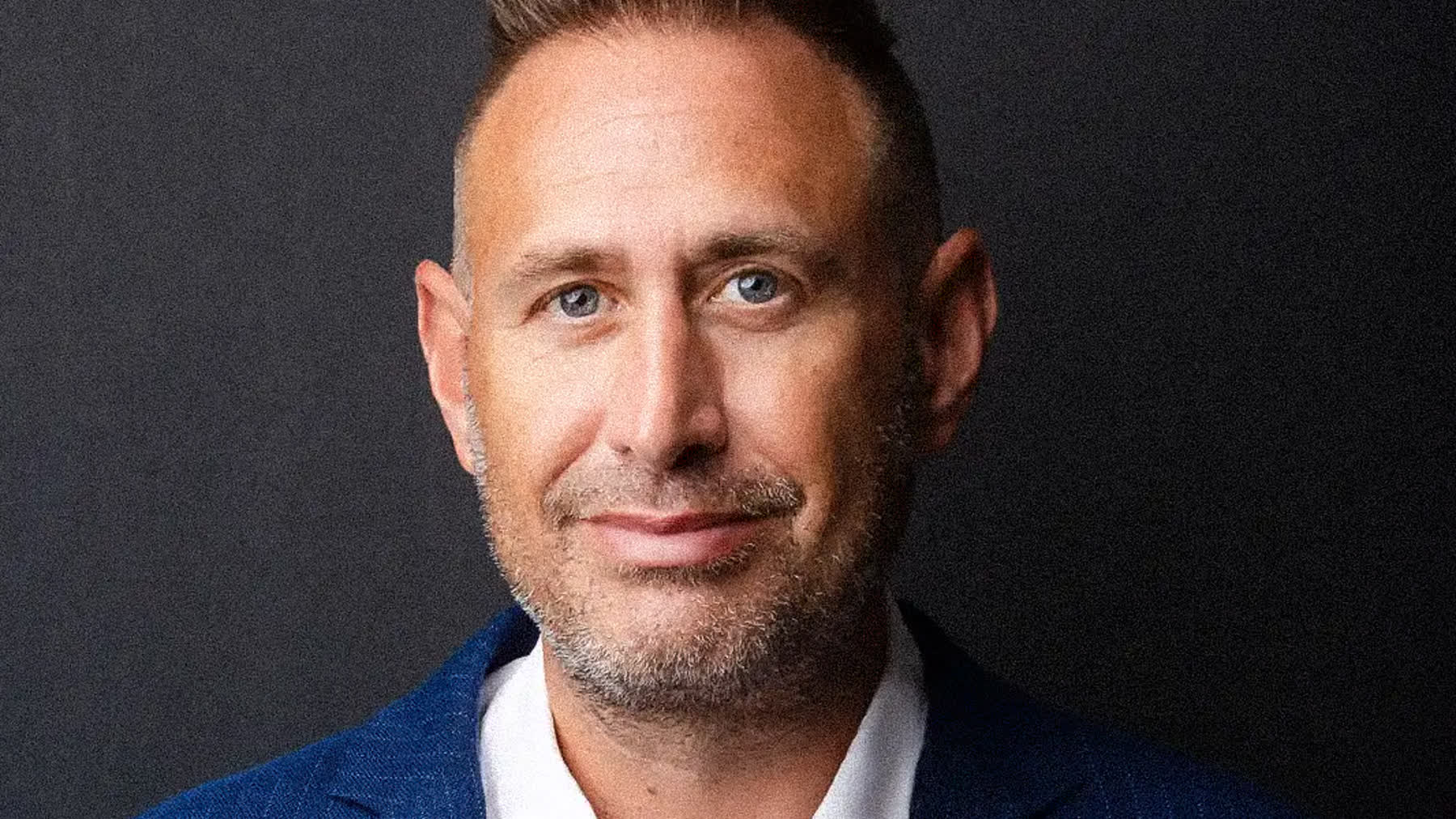
A good primary image is simple. You are looking at the camera, the light is flattering, the expression is approachable, and nothing in the frame distracts from your face. If you only ever use one photo, this is the one. Everything else is built around it.
When a small set makes sense
The case for more than one image comes from how many different contexts you actually appear in. A few common reasons to expand beyond a single shot:
- LinkedIn and a more casual profile. A polished frame for your main profile, and a slightly warmer, more relaxed version for places where you want to feel approachable.
- Website versus press. Your own site can carry a cleaner, on-brand look. Press and speaker bios often need a higher-resolution file and sometimes a different crop.
- Different expressions. A neutral, composed look reads well in formal settings. A genuine smile fits sales pages, team bios, and social.
- Vertical and horizontal crops. Some platforms want a tight square; others need room around you. Capturing both saves you from awkward cropping later.
For most people, a working set is three to five images that each have a clear job. Beyond that, you are usually collecting photos you will never use.
How wardrobe and framing create range
You do not need a dozen outfits to get variety. A small amount of intentional layering does more than a closet full of options.
A blazer over a simple top, then the same look with the blazer removed, already gives you two distinct registers from the same setup: one more formal, one more relaxed. Add or remove a tie, swap one neutral color, and the range widens again without resetting the lighting or starting over.
Framing does the rest. A tighter crop reads as confident and direct. A wider crop with a little space around the shoulders reads as calm and open. The same expression photographed two ways covers two different needs. This is why a focused session built around your actual usage outperforms a long one built around endless options.
What teams typically need per person
For companies, the question shifts from how many photos to how much consistency. When a whole team appears on one page, the images need to look like they belong together. That usually means one strong primary image per person, captured under the same lighting, background, and crop.
A practical baseline for teams:
- One primary headshot per person for the website, bios, and directories.
- A consistent setup across everyone so the team page reads as one company, not a collage.
- A simple plan for new hires so people who join later can be matched to the same look.
Some leadership members benefit from a small set rather than a single image, because they appear in press, on panels, and in marketing more often than the rest of the team. For most employees, one clean and consistent photo is exactly enough. If you want to see how a coordinated team set looks in practice, the professional headshots page shows the kind of consistency we aim for.
It also helps to plan for growth from the start. Companies add people, change roles, and refresh their sites, and a team page only stays clean if new photos can be matched to the existing look. The simplest way to protect that is to keep a short note of how the original set was lit and framed, so later sessions slot in rather than stand out. When the look is documented, a single new hire can be photographed and dropped onto the page without forcing a full reshoot of everyone else.
Frequently asked questions
Is one headshot really enough?
For many people, yes. A single strong image that looks like you and is lit well covers LinkedIn, your site, and your signature. Add more only when you have a specific second place to use them.
How many outfits should I bring?
Two to three is usually plenty. The goal is a small amount of range, not a fashion shoot. Simple, solid colors and one layer you can add or remove will give you more usable variety than many full outfits.
What do teams usually order?
Most teams choose one consistent primary headshot per person, captured in the same setup, plus a short set for leaders who appear in press and marketing more often.
How often should I update my headshot?
When your photo no longer looks like you, or when your role or brand has clearly changed. For most people that lands somewhere in the range of every two to three years.
If you are weighing how many headshots you need for yourself or your team, reach out for a quote and we will help you settle on the right number before you book.
Looking for team headshots in miami? See packages and book your session.