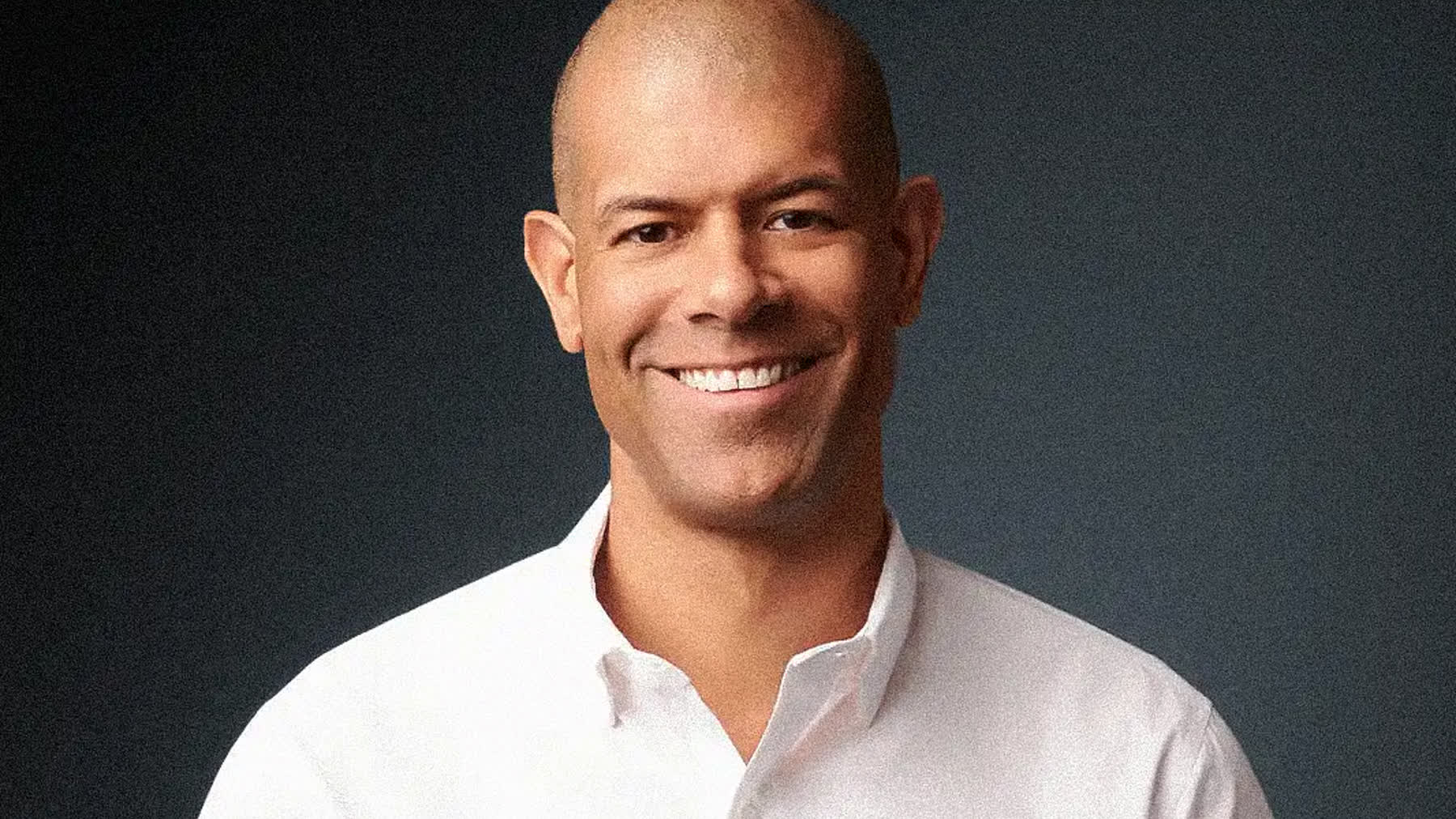

Headshots with glasses are completely doable, and in most cases your glasses should stay on. If you wear them every day, they are part of how people recognize you, and removing them for a photo can make you look slightly unlike yourself. The real concern is not whether to wear them but how to handle glare, reflections, and fit so the lenses do not get in the way of your eyes. This guide covers the practical side, both what a photographer manages and what you can do to help.
The short version is reassuring. Glare and reflection are solvable with lighting position, small tilts of the frame, and careful work behind the camera. You do not need special lenses to get a clean result, though a few choices make the job easier.
Why glasses cause glare
Lenses are reflective surfaces, and they bounce light back toward the camera. When a light source sits in the wrong spot relative to your face and the lens, you get a bright reflection that covers part of your eye. That reflection is what most people worry about, and it is the main thing a photographer works to remove.
The good news is that glare is about geometry. Where the light is, where your face is angled, and how the frame sits all change whether a reflection lands on the lens or falls away cleanly. Because it is geometry, it can be controlled.
How a photographer controls reflections
Most glare is solved with light position and small adjustments during the session. A photographer typically works with a few tools at once.
- Raising or moving the lights so reflections fall below the lens rather than across the eye
- Asking you to tip your chin slightly so the angle changes
- Adjusting how the frames sit on your face to redirect the reflection
- Softening and shaping the light to reduce hard, bright bounce
- Reviewing frames closely and re-shooting any with reflections on the eyes
This is iterative. The photographer watches the lenses frame by frame and corrects until the eyes read clearly. It is normal to make several small tweaks before the angle is right.
Frame fit and tilt
How your glasses fit changes how easy they are to photograph. Frames that sit level and snug are simpler to work with than ones that slide down or sit crooked. A common fix during a session is a small tilt of the frames, pushing the top of the lenses slightly away from your face. This often shifts a reflection out of view without changing how you look.
If your glasses have slipped down your nose, pushing them up makes a difference. If one side sits higher than the other, that asymmetry shows in the photo. Arriving with frames that fit well and sit straight removes a lot of small problems before they start.
Anti-reflective coatings
If you are buying or updating lenses anyway, anti-reflective coatings help. As the name suggests, they reduce the amount of light a lens bounces back, which means less glare for the camera to deal with. They are widely available and are useful well beyond photography, since they also cut reflections in everyday life and on screens.
That said, you do not need them for a good headshot. A photographer can manage reflections on uncoated lenses with lighting and angle. Coatings simply make the job a little easier and give a bit more margin. Treat them as a nice-to-have, not a requirement.
Should you bring a spare or empty frame?
This question comes up often. A few practical points:
- If you have a second pair you like, bring it. Different frames photograph differently, and having options helps.
- An empty frame, meaning your usual frames with the lenses removed, is one way some people eliminate glare entirely while keeping their familiar look. It is optional and only worth it if you happen to have a spare frame you can use this way.
- Clean your lenses before the session. Smudges and dust show up clearly under studio light.
- If your prescription lenses tint or darken in light, mention it, because that can affect how your eyes read.
You do not need to buy anything special. The goal is just to give the photographer a clean, well-fitting pair to work with.
Keeping it looking like you
The thread through all of this is staying recognizable. Your glasses are part of your face to the people who know you, so keeping them on usually produces the most natural result. The aim is not to hide the glasses or pretend they are not there. It is to make sure the lenses stay clear of your eyes so your expression comes through.
When the glare is handled and the frames fit well, glasses add character rather than getting in the way. A clean set of professional headshots with your real, everyday glasses on will look more like you than a version without them.
Frequently asked questions
Should I take my glasses off for a headshot?
Usually no. If you wear them daily, they are part of how people recognize you. Keeping them on, with glare controlled, gives the most natural and accurate result.
How is glasses glare removed in photos?
Mostly through lighting position, small tilts of the frame, and adjusting your head angle during the session. The photographer reviews frames closely and re-shoots any with reflections on the eyes.
Do I need anti-reflective lenses for headshots?
No. They help and are worth having if you are updating lenses anyway, but a photographer can manage reflections on uncoated lenses with lighting and angle.
Should I bring a backup pair of glasses?
If you have a second pair you like, bring it for options. An empty frame with the lenses removed is one way to avoid glare entirely, but it is optional. Either way, clean your lenses beforehand.
Ready when you are
Wearing glasses is no obstacle to a sharp, natural headshot. Come as you usually look, frames and all, and we will handle the glare. Tell us how you will use the images, and we will put together a quote and take care of the rest in the room.
Looking for professional headshots in miami? See packages and book your session.