The ERAS photo requirements trip up more applicants than they should. Most people focus on file size and crop and forget the part that actually matters to a program director: the photo is the first thing attached to your name, and it sets a tone before anyone reads a word of your application.
This guide covers what a strong application photo does, why it matters, and how to make sure you meet the current specifications without guessing.
Confirm the official specs yourself first
Before anything else, a clear caveat. The exact technical rules for an ERAS photo, things like file format, dimensions, and sizing, are set by the AAMC and can change from one application cycle to the next.
Do not rely on a blog post, a forum thread, or even your photographer to tell you the current numbers. Go to the official ERAS and AAMC resources for your cycle and confirm the requirements directly. Print the page or save it. If your program or specialty has its own additional guidance, follow that too.
A good photographer will produce a high-resolution file you can resize and format to whatever the current rules require. That is the safe approach: nail the photo, then format to spec.
Why the photo carries weight
Program directors review a large volume of applications in a compressed window. Your photo appears next to your name throughout that process and again when committees discuss candidates. It is a small thing that gets a lot of exposure.
A clear, professional photo signals that you take the application seriously and that you understand professional norms. A blurry selfie, a cropped group photo, or a casual snapshot signals the opposite, even when the rest of your application is strong. You do not get points for a great photo, but a weak one quietly works against you.
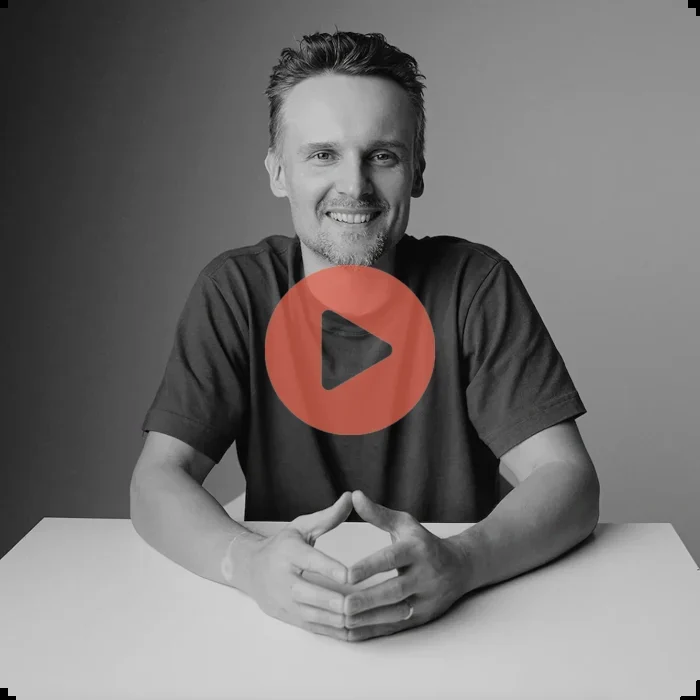
What makes a strong application photo
The goal is simple. You should look like a calm, prepared physician who would be easy to work with on a long shift.
The elements that get you there:
- A neutral or softly lit background that keeps attention on your face
- Professional attire, typically business or business-casual, clean and well-fitted
- A relaxed, genuine expression with a slight smile, not a forced grin
- Even, flattering light with no harsh shadows across the face
- Sharp focus on the eyes and natural, accurate skin tones
- A straight-on framing that shows your head and shoulders clearly
The expression matters most. You want to look approachable and competent at the same time. Think of the face you have when a patient is talking and you are listening closely.
Attire choices
When in doubt, dress the way you would for an interview at the program you most want. A simple dark blazer photographs well for most applicants. A white coat is optional and depends on your specialty norms and personal preference. If you are unsure, a clean professional look without the coat is a safe default.
Studio photo versus a quick snapshot
You can technically submit any compliant photo, but the difference between a planned session and a hallway snapshot shows immediately.
A real session controls the light, the background, and the framing so the photo looks consistent and professional. It also gives you a few expressions and angles to choose from, instead of forcing you to settle for the one frame a friend managed to grab. For something attached to every residency program you apply to, that control is worth it.
If you are deciding between an application photo and a broader set of professional images, a single strong session can cover both, since the same frame often works for LinkedIn and future practice profiles.
Frequently asked questions
Do I have to wear a white coat for my ERAS photo?
No. A white coat is optional and varies by specialty and personal preference. A clean, professional look without the coat is a perfectly safe choice for most applicants.
Can I use a photo a friend took on a phone?
You can if it meets the official specs, but it rarely looks as controlled or professional as a planned session. Given how often the photo appears during review, most applicants find the session worth it.
How current does the photo need to be?
It should look like you today, since program directors expect to recognize you on interview day. If your appearance has changed significantly, take a new photo for this cycle.
Where do I find the exact technical requirements?
On the official ERAS and AAMC resources for your application cycle. Confirm the current file format, dimensions, and sizing directly from those sources rather than from third-party summaries.
Let us help you get it right
Your application photo is a small detail that quietly shapes a first impression across every program on your list. If you want a clean, professional portrait you can format to the current specs, reach out and tell us a bit about your timeline. We will help you plan a session and request a quote so you can submit with one less thing to worry about.
Looking for residency & eras headshots in miami? See packages and book your session.